
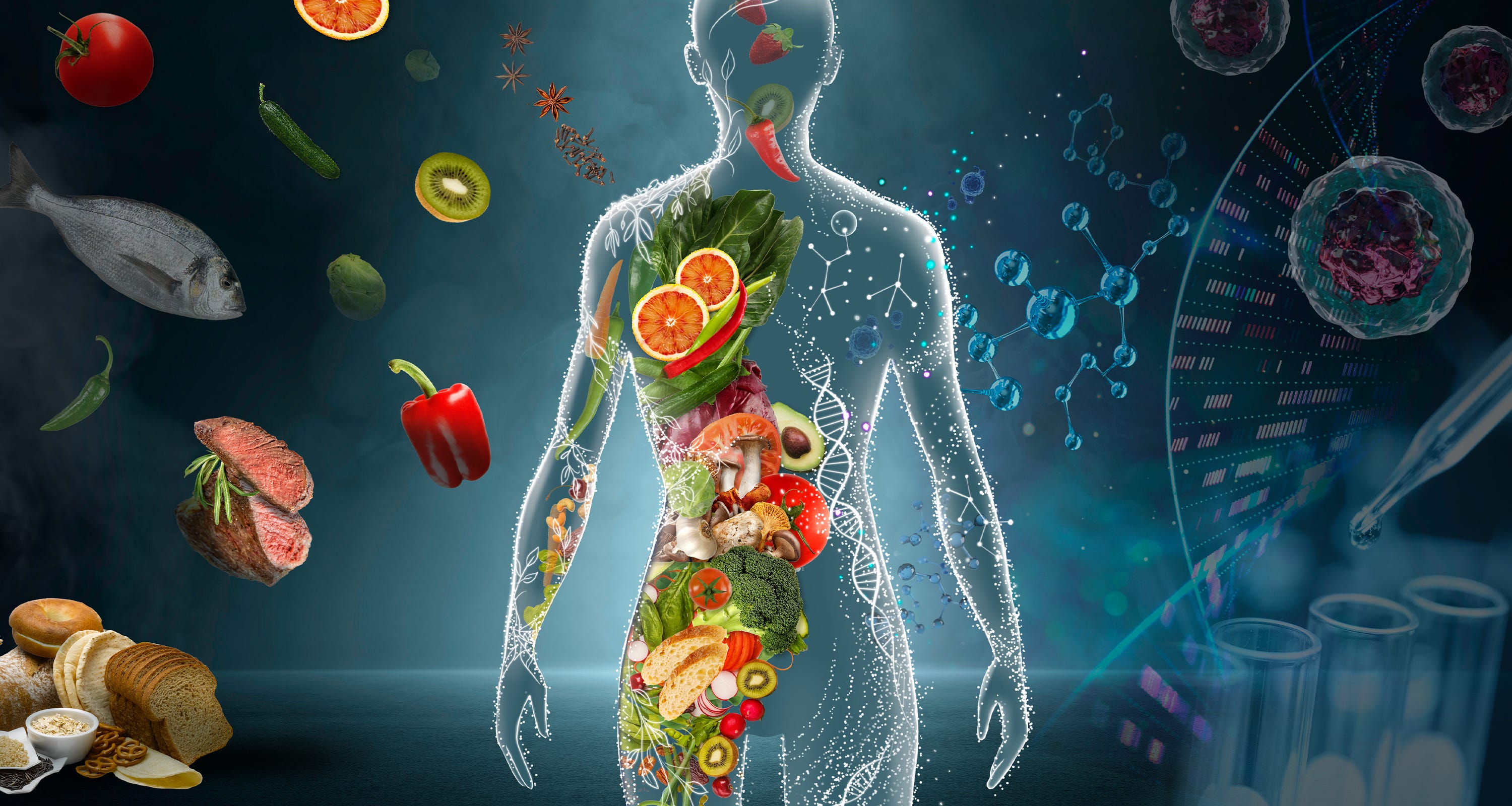
We now know how to shrink your risk of heart disease, cancer, diabetes and dementia — all with simple inexpensive foods, without the need for fad diets, cutting out entire food groups or expensive supplements.
I´ve spent the last 30 years studying medicine, biology and nutrition. I received my PhD for research on aging and nutrition, published my own scientific studies and I´ve had the privilege of interviewing the top scientists on the planet on my Youtube channel Nutrition Made Simple!.
In this article I´ll summarize everything I´ve learned over the last 3 decades. By the end you´ll understand how to put together delicious meals that optimize your and your family´s health while saving money and you´ll also be able to see through fearmongering headlines and internet gurus.
WHAT YOU’LL LEARN
• Why “carbs vs fat” misses the point
• How to spot nutrition misinformation
• Which diets have the strongest evidence
• How to build healthy meals with peace of mind
• How much protein do we need (and what kind)
• Why carbs aren´t all created equal
• What causes diabetes and insulin resistance
• What about sugar spikes?
• Best fats to avoid disease and optimize heart and liver health
• Which vitamins and minerals do you (not) need to worry about?
• What about seed oils, red meat, artificial sweeteners or glyphosate?
The truth is, most nutrition & wellness content on social media is wrong. Not because people want to harm you but because that´s what´s incentivized. Fact-twisting and emotional button-pushing.
Here are some examples of mistakes I see every day that confuse and frustrate millions of people.
Most Internet debates obsess over macronutrient quantity. How much carb, fat or protein you should eat. This is not the crux of health and nutrition.
The main question for health is the quality, not the quantity of macronutrients1. There are good carbs and bad carbs, good fats and bad fats. Calling entire macronutrients “good” or “bad” as we often see in social media content is not science.
Another example: plant vs animal foods. A common controversy on social media, that entirely misses the point. Some animal foods are good for you and some are not. Same with plants. It´s just not that black and white.
These simplistic ideas stem from the understandable desire to simplify. But they stray so far from the facts they become cartoonish and unhelpful and in many cases send you in the wrong direction.
Ok, we touched on some popular ideas that miss the point, we´ll touch on many others. Let´s talk about what actually does move the needle.
Let´s start at the top.
Also check-out our companion Youtube video with 5 key principles boiling down 30 years of nutrition:
Nutrition is the process of obtaining fuel and building blocks from food and a nutrient is exactly that, an element obtained from food that your body uses for energy or as a building part.
We have macronutrients (eaten in grams, like protein or fat) and micronutrients (eaten in milligrams or micrograms, like vitamins or minerals).
Some nutrients are essential (your body can´t produce them, or can´t produce enough of them). Like some amino acids (e.g. methionine), or Vitamin C, or some fats. Some are non essential nutrients (like other amino acids and some fats like omega 9s). These your body can produce itself.
Let´s dive into the macronutrients first since they generate so many questions.
There are 3 main macronutrients. Protein, fats & carbs. Alcohol and water are also technically macronutrients but for now let´s focus on the main 3.
Protein
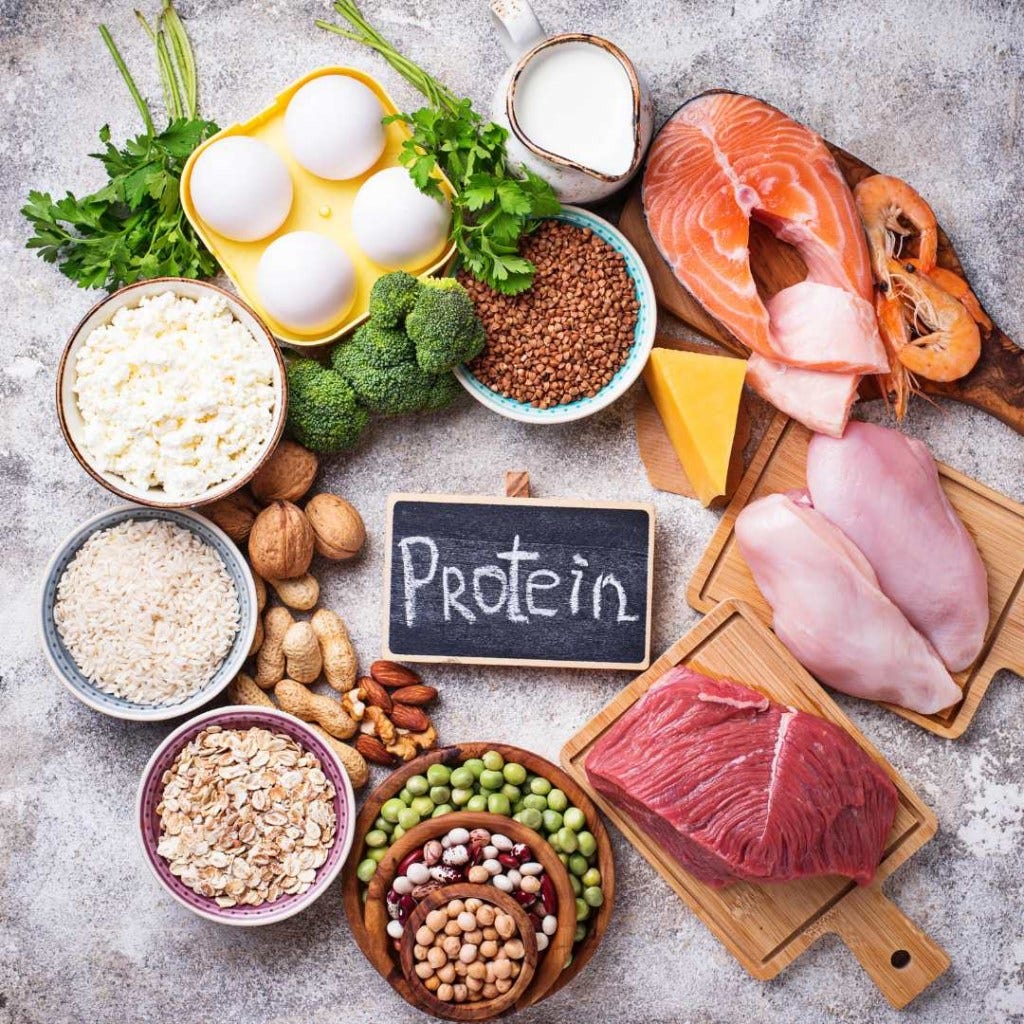
Protein is made up of amino acids and its important for muscle building but also many physiological functions. Enzymes, hormones and structural elements of cells use protein.
Protein also has a satiating role, it helps make you full so you can stop eating.
All foods in their natural form have protein (even an apple or rice) but some are more concentrated like meat, beans, fish, soy, eggs or lentils.
They also contain many other nutrients, and this is our #1 Principle of Nutrition. Foods can contain hundreds or even thousands of components. Meat is much more than just protein, olive oil is more than just fat. So the health effect of a food can´t be guessed from one of its components in isolation. This will be a recurring theme.
The health effect of a food can´t be guessed from one of its components in isolation.
#1 Principle of Nutrition
Here are some protein FAQs.
1-How much protein do we need?
For maintenance, i.e. to avoid deficiency, most people need around 0.8g of protein per kg of body weight per day2. So if you weigh 80kg like me, you need about 64g a day.
This varies a bit person to person so some people need more, some less.
That´s maintenance. If you´re trying to build muscle and lifting weights, you can use more. Muscle growth appears to plateau at around 1.6g/kg/day3. So about 130g for someone my size. Some people argue higher is safer, up to ~2g/kg/day.
As we get older, we start to face what´s called “anabolic resistance”. We require more protein to push our body to build muscle.
For older individuals over 65, it´s recommended that protein intake be increased a bit, even for maintenance. ~1.2g/kg/day is one range often proposed4.
If you´re trying to lose weight, having more protein can also help you feel satiated and hold on to your muscle mass, but this assumes you´re cutting calories and doing resistance training, otherwise more protein by itself does nothing.
Bear in mind most Western adults are already having ~1.2g/kg/day naturally. So for most people this isn´t a concern.
2-Do we need to combine proteins?
There was this old idea that some foods lack some amino acids and are incomplete proteins so you need to combine them in meals.
There are 20 amino acids our body uses. 9 are essential. Most foods that haven´t been manipulated have all 9, what varies is the proportion. Beans for example are lower in methionine and grains like rice are lower in lysine. But the idea of protein combining at every meal has been abandoned because your body will get amino acids over the course of the day and use them as needed. As long as you have a diet with variety and with protein-rich sources, it all adds up and this isn´t a concern5.
3-Plant protein or animal protein?
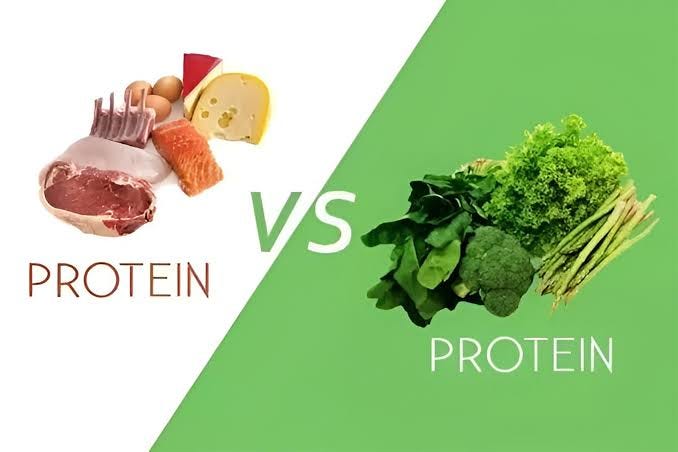
Your body will use either one and in practice the difference is small. At 1.6g/kg/day they both plateau for muscle growth. At lower amounts some studies show more growth with animal protein which means if you´re plant exclusive you need a bit more protein to match the effect. The difference isn´t huge though, ~10-20% more.
4-Does eating high protein harm your kidneys?
Studies find no decline in kidney function in healthy individuals on a high protein diet6. That said, people with existing chronic kidney disease may benefit from moderating protein intake, mainly because protein metabolism and excretion is a strain on already diseased kidneys.
5-Should you limit protein to live long?
We generally see better health (lower mortality and disease risk) in people consuming more plant protein, fish and fermented dairy, and worse with red and processed meats. So the issue is likely not protein itself but rather source, and the effect of source is likely mediated by other components that come along with the protein. We´ll come back to this topic.
For longevity and health, the quality of the source is the #1 concern since most Westerners already get enough protein.
Personally I shoot for 120-130g a day, mostly from plant sources like beans, lentils or tempeh with some seafood and some fermented dairy. And I supplement with protein powder on days that I lift weights. This is just one example of how to implement what we know scientifically to optimize health.
Bottomline, if you eat a diet with diversity and with healthy sources of protein (some beans, lentils, fish and some lean meats) you´re doing great. Making sure you get a good amount of protein is especially important in your later years.
Next, let´s talk carbs.
Carbohydrates
Carbs are fuel. Your muscles use them, your brain uses them. Again, the main concern is carb quality, not quantity.
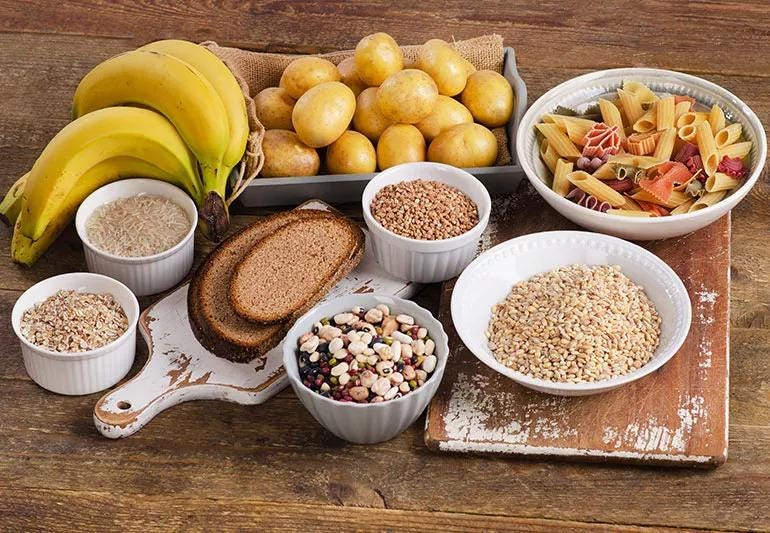
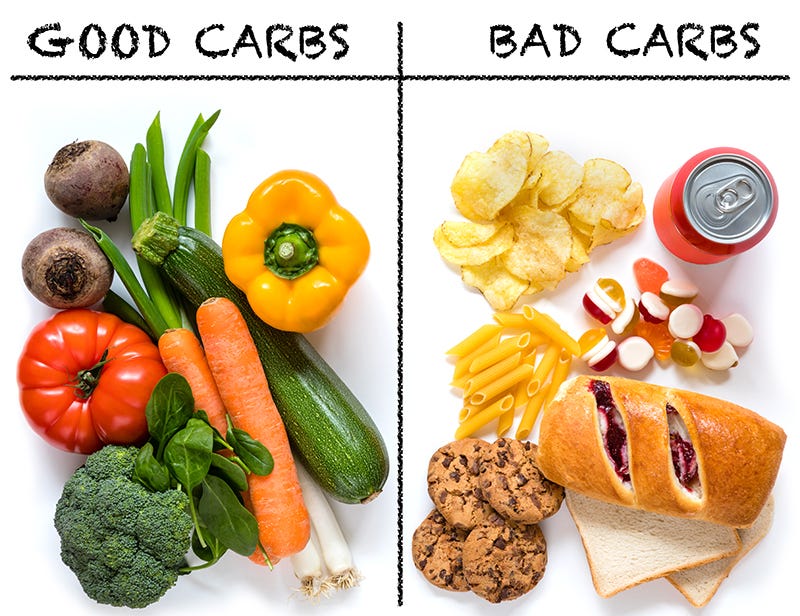
Refined carbs (white sugar, soda, candy or cocoa puffs) are more processed, some of its natural components like fiber are lost or reduced. Many other foods we find at the grocery store include refined carbs, often in the form of high-fructose corn syrup. These foods are not recommended as staples.
Whole forms of carbs (e.g. steel-cut oats, wild rice, fruit and whole wheat bread) are less or not processed. Nothing´s been added or taken away. They´re closer to their natural form. These foods are consistently associated with better health outcomes.
Here are some FAQs.
1-Aren´t carbs all the same at the end of the day? They all turn to sugar in the blood after all.
This is a common question but it´s a fundamental misunderstanding of physiology. Carbs are absorbed very differently. Whole carbs are digested slower because the body has to break through the fiber packaging. Refined carbs are “naked”, absorption takes place much faster.
But the main reason they are very different health-wise is our #1 Principle of Nutrition we covered above. An apple or a sweet potato aren´t just “carbs”. These foods contain fiber, vitamins, resistant starch, minerals and phytonutrients like antioxidants, all of which have physiological effects on your body. The refinement process strips the food of many of those components.
This is a major reason we consistently see positive health effects of whole sources of carbs like whole oats, quinoa, fruit or lentils, whereas we see negative health effects of refined carbs like soda or candy.
2-Do we need to eat carbs?
Carbs are not an essential nutrient, meaning we don´t die rapidly if we stop eating them. But again, don´t forget our #1 Principle. Whole carbs also come with many other beneficial components, as we mentioned, like fiber. Fiber is technically a carb and has many health benefits for heart health, gut, cancer protection and many others7.
3-Is that just because people who eat more fiber also live healthier lives?
People who eat more fiber also tend to exercise more and smoke less.
But large analyses of hundreds of studies have shown high fiber consumers have lower risk of heart disease, stroke, type 2 diabetes, colorectal cancer and overall death even after accounting for factors like smoking or exercise.
(“high fiber” in these studies was only 20-30g a day which is really not a lot, eating some fruits and vegetables over the course of the day easily gets you there)
And randomized trials giving people more fiber, which minimize the odds of confounding lifestyle factors since the groups are determined by chance, have reported lower body weight, blood pressure, and cholesterol in the group receiving more fiber.
We also understand some of the mechanistic benefits provided by fiber. Human cells and enzymes can´t break down fiber but our microbiome can, and when it does, it produces short-chain fatty acids like butyrate which nourish your gut wall, increase satiety and help lower blood sugar and cholesterol.
Bear in mind, there are many types of fiber with different health effects, so diet diversity is important.
4-What about people who feel better when they remove fiber?
Some conditions like irritable bowel (IBS) cause intolerance to specific types of foods. Removing those often elicits symptomatic improvements. I´ve released detailed videos on the Youtube channel on those conditions, including interviews with some of the world-leading doctors and researchers, where we cover how to personalize your diet or in some cases reverse those illnesses.
5-Do carbs make us fat?
If we overeat them, they can. Just like any other source of calories like fat or even protein.
Excess carbohydrate (i.e. not used as fuel because it exceeds energy requirements) is first converted to glycogen, but glycogen stores are limited and any surplus after that is converted to fat.
Careful studies have shown that when calories are matched, both cutting carbs or cutting fat leads to similar fat loss8. There´s a small difference (actually favoring cutting fat) but it´s small and unlikely to play a major role. In practice cutting any excess calorie source leads to fat loss. The main issue is sustainability, i.e. finding a diet you can stick to long term without overeating. Some people like low fat or low carb diets, but most struggle to adhere to those diets in the long run and prefer balanced diets.
Bottomline: Any form of restriction can work for weight loss as long as you actually do it.
6-Should we avoid blood sugar spikes?
People with blood sugar conditions like diabetes have abnormal responses to meals. Their blood sugar rises higher than normal and stays high abnormally long. This can cause issues like glycation. This is often misunderstood to mean that all humans should be scared of glucose spikes.
Blood sugar rises after eating in healthy individuals are normal and expected. Both the carbs and the fats we eat are transported in our blood stream to peripheral tissues and their blood levels rise temporarily after eating. This is NOT disease!
In fact many foods that cause blood sugar to rise like fruit or whole grains (oats, quinoa) are some of the healthiest foods on the planet.
Another exception are people who get really low blood sugar after eating. This is called reactive hypoglycemia. These individuals can also benefit from dietary personalization.
For healthy individuals without such blood sugar issues, blood sugar going up after a meal (“spikes”) are normal physiology and not a concern.
7-Do carbs cause diabetes?
Diabetes is a condition where we process carbohydrate abnormally, but eating carbs doesn´t cause it anymore than any other nutrient does. The main cause of type 2 diabetes (the most common form) is excess body fat accumulated in the wrong places, namely around and inside your visceral organs like your liver, pancreas and muscles. This is caused by consistently consuming an excess of energy over time.
Refined carbs like candy or soda contribute to weight gain and raise risk of type 2 diabetes, while whole carbs like fruits or whole grains do the opposite.
Randomized trials have even shown diabetes can be reversed (the technical name is “remission”) with a variety of diets, low or high in carbs, as long as there is enough fat loss9. So it´s mainly about quality of the carbs not their quantity (is this starting to sound familiar? I told you it would be a recurring theme…).
Insulin Resistance is a condition that often precedes diabetes and its main cause is the same: an excess of visceral fat. Same cause, same solution. Maintaining healthy body weight both prevents and reverses insulin resistance.
A large randomized trial found that both restricting carbs and restricting fat in the diet led to similar weight loss regardless of whether participants secreted more or less insulin before the trial started (people with insulin resistance tend to secrete more insulin). One limitation of this trial is insulin resistance wasn´t measured directly.
The bottom line: find the diet that is sustainable for you long term and helps you maintain healthy body weight. Carbohydrate sources in your diet should be mostly whole, i.e. fruits, vegetables, whole grains, legumes etc.
Next let’s talk fats.
Fats
Fats are fuel and also building blocks and some fats are essential nutrients.
There are 2 main types of fat, unsaturated which are liquid at room temperature (examples of foods rich in unsatured fat include olive oil and canola oil) and saturated, which are solid at room temperature (butter or lard are examples of foods rich in these).
Trans fats are unsaturated fats that are modified to become solid. They cause heart disease but industrial fats have been essentially banned from the food chain in most Western countries and are no longer a major concern.
Unsaturated fats can be mono or polyunsaturated. This has to do with their chemical structure and it affects their function. Polyunsaturated fats can be omega-3s or omega-6s. All the essential fats are PUFAs: alpha-linolenic acid (ALA) is an omega-3 and Linoleic acid is an omega-6.
But let´s not forget our #1 Principle: foods contain many components mixed in.
Olive oil and avocado are mostly monounsaturated but also have some saturated, some polyunsaturated and other nutrients as well. Fatty fish, nuts and most seeds are sources of mainly polyunsaturated fatty acids, with many other nutrients mixed in.
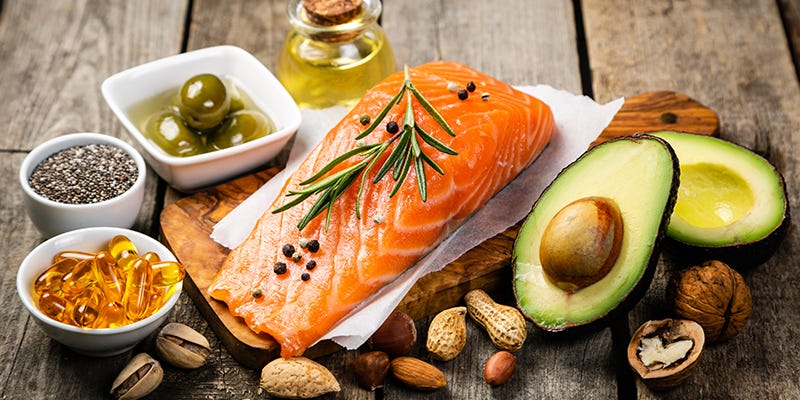
Butter, lard, tallow are mostly saturated but also contain some unsaturated fats and other nutrients. The fat in meat (red meat, for example) and some plant fats that are solid at room temperature (coconut oil and palm oil) are also mostly saturated.
In general we see lower risk of heart disease and less liver fat on foods that are mostly unsaturated compared to saturated or trans fats.
1-So is saturated fat bad?
This is a gross oversimplificaton. There are many types of saturated fats. Short chain fatty acids, which we mentioned earlier, are saturated, yet they´re health-promoting. Dark chocolate is high in a type of saturated fat (stearic acid, a long saturated fatty acid) that doesn´t cause heart disease and even appears heart-healthy. And all kinds of healthy foods like olive oil and many others contain some saturated fat. So it comes down to the proportions and the net effect. Always remember our #1 Principle. It´s better to think in terms of whole foods and their net effect, as opposed to isolated nutrients.
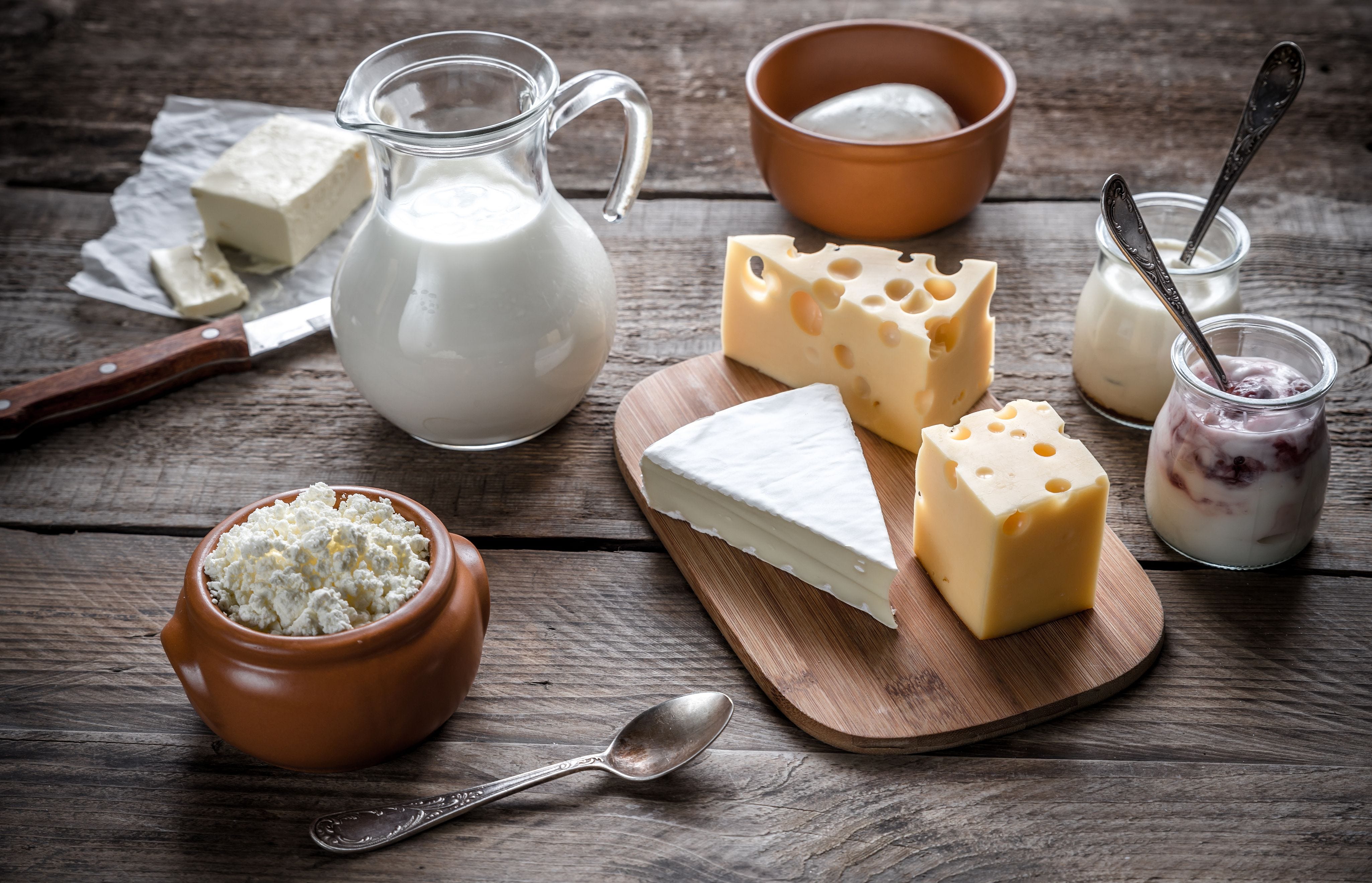
Another exception worth mentioning is fermented dairy like yogurt, kefir and cheese. Their health effect is different from some other types of dairy like butter. For fermented dairy we see neutral to beneficial effects on heart health, likely due to the matrix of those foods and possibly some of the other components they contain. As always, the #1 Principle of Nutrition applies.
And here we introduce our #2 Principle, which is crucial to understand saturated fats. Instead of what.
Large studies have found more heart disease on foods high in saturated fat like butter or fatty meats, but only if compared to more unsaturated foods like olive oil or walnuts. Compared to refined carbs like white bread, cookies or pizza, we don´t see much difference10. So it´s always about compared to what.
Instead of what.
-#2 Principle of Nutrition
Similar for blood sugar. Calorie for calorie, we see improvements in fasting glucose, glycated hemoglobin (Hba1c) and insulin resistance when saturated fat is swapped with unsaturated fat sources in randomized trials11.
Risk of death is also higher in people who eat more, or cook with, butter as opposed to liquid oils like olive oil or soybean oil12.
2-What about studies that find saturated fat to be harmless?
A couple of analyses of observational studies became famous in the 2010s that reported no clear difference between more or less saturated fat in the diet.
These studies don´t specify any comparison food and Westerners mostly tend to replace saturated fat sources with refined carbs. Finding no difference between saturated fat and refined carbs is consistent with the rest of the scientific literature.
Studies that compare saturated fat to unsaturated fats or whole carbs like oatmeal or brown rice consistently see differences, lower risk of heart disease and in large studies, lower risk of mortality on populations replacing saturated fat with those alternatives.
3-What about the Minnesota trial?
A large trial was conducted in the 60s that put people on higher or lower saturated fat and found no clear difference in heart attacks or mortality. We have several videos covering this trial in detail published on the Youtube channel but the bottom line is they lost most of their participants early on and the trial was abruptly interrupted before they could record their outcomes.
Most high quality analyses exclude this trial since it didn´t reach the minimum duration required to pick up a difference in heart attacks or deaths.
One standing issue in this field is that back in the 60s and 70s, we didn´t understand how harmful trans fats were. In some trials (including Minnesotta), saturated fats were even replaced with margarines containing trans fats, introducing another source of uncertainty.
Another trial that gets brought up often is the Sydney Diet Heart Trial, also from the 60s and 70s. It also replaced saturated fats with a margarine containing trans fats. To this day no one knows which group consumed more trans fats or how to interpret the findings rigorously.
To summarize, observational studies show less heart disease and death when saturated fat is replaced with unsaturated fats or with whole sources of carbohydrates. The randomized trials on this question have significant limitations and we can find individual trials in any given direction. Meta-analyses assembling the 14 existing trials that meet minimum quality standards find a modest benefit when saturated fat is reduced (lower risk of combined “events” like heart attacks, strokes and revascularization procedures)13. And as far as mechanism, there are several proposed, with the main one being the effect of saturated fats on blood lipoproteins. These particles are the main causal agent of heart disease14 and their number is increased by foods like butter or coconut oil.
A good general strategy is to eat to your bloodwork. If your tests look great there´s less concern but if they´re iffy, consider a change. In general switching from butter and fatty meats to olive oil, fatty fish and walnuts helps bring down cholesterol and heart disease risk.
4-What about Ancel Keys?
According to a story popularized in popular books and social media, Ancel Keys cherry-picked data to argue saturated fat was harmful, but later work proved him wrong.
In reality, the study usually shown to make this point is not about saturated fat. It reports a correlation between total fat in the diet and risk of heart disease. Keys himself went on to change his view on that issue. He ultimately held that rather than fat being problematic per se, it hinges on the type of fat (some are good, some are bad). This view was later supported by numerous studies and is aligned with our modern understanding of nutrition.
5-What about seed oils? Are they good or bad?
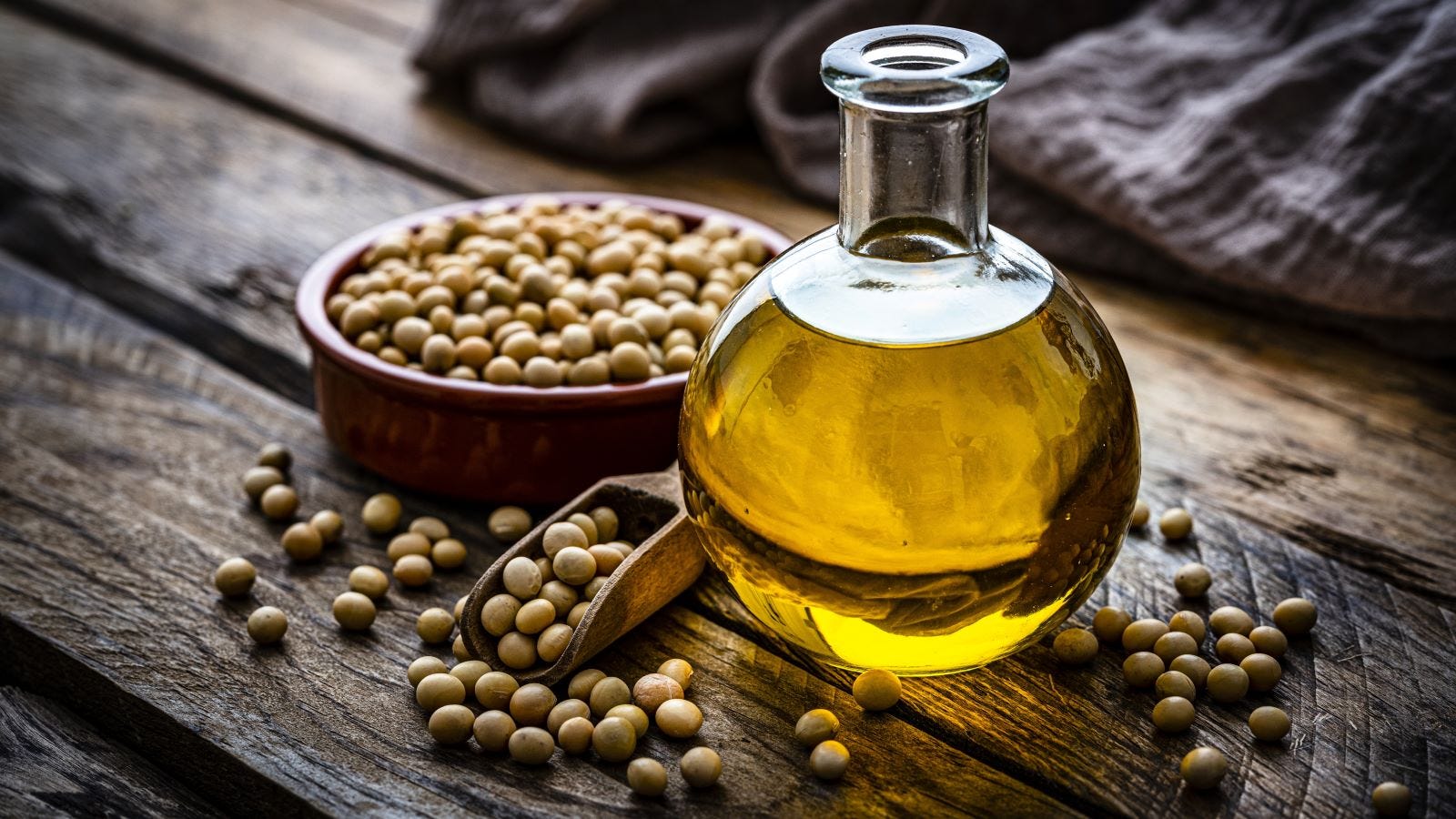
Most human studies show benefits of seed oil intake, including better blood work, less liver fat, less heart disease, lower risk of diabetes, fewer cancer deaths and less total death in people consuming more seed oils or cooking with them, especially compared to foods richer in saturated fat like butter15.
Some studies used on social media to argue seed oils are harmful include the Minnesota and Sydney trials, covered above.
6-But aren´t seed oils inflammatory?
Seed oils like soybean or sunflower oil have a high content of an omega-6 fatty acid called linoleic acid (an essential fat), which can be converted to pro-inflammatory molecules. But the same biochemical pathway also produces anti-inflammatory molecules. So what´s the net effect? Pro- or anti-inflammatory?
Dozens of randomized trials have put this question to the test by giving participants seed oils and they consistently fail to detect an increase in inflammatory markers (in fact, it´s more common to find a decrease; although most find no significant effect either way)16. Observational studies over longer time spans (up to decades of followup) generally find lower inflammatory markers in people reporting higher intake of omega-6s or with higher linoleic acid levels in their body, reflecting higher intake.
7-Do seed oils cause oxidation?
Polyunsatured fats are chemically more unstable in in vitro conditions (i.e. in the lab), especially if heated. This led to the concern that sources of polyunsatured fats may undergo oxidation and cause harm.
But we musn´t forget the #1 Principle. Seed oils also contain substantial levels of antioxidants like vitamin E. So it all comes down to the actual results in humans.
Trials on this question are inconsistent. Some report increased oxidation products in people consuming specific seed oils e.g. sunflower seed oil, some find no detectable change effect and some report fewer oxidation products in the seed oil-consuming group (e.g. compared to butter). It´s possible that oxidation varies depending on the specific conditions at play, while limitations of the detection techniques also apply.
Two findings help contextualize this question. The first is that we don´t see increased risk of diseases related to oxidation (like heart disease, diabetes or cancer) in seed oil consumers. If anything we see less, as covered above.
Another thing to bear in mind is that the effect of exercise on oxidation has also shown mixed results. Most trials show increased oxidation acutely during and immediately the workout session, with a decrease in the long run. But some trials report a maintained increase in oxidation products over weeks or months in people upping their physical activity.
This emphasizes a key fact about science and health: we mainly care about end results like actual disease and death, what we call “hard outcomes”. We recommend exercise because it overwhelmingly improves health and lowers disease risk. Whether it raises or lowers a laboratory biomarker of oxidation doesn´t change that. The same logic applies to any diet or food.
8-Seed oils are not natural. They´re processed with solvents like hexane, which are toxic
Many natural things are poisonous and many unnatural things are life-saving. Beware the “appeal to nature fallacy”, a form of argument that seeks to convince with emotion rather than evidence.
Solvents like hexane are used in the processing of many refined oils. It´s not specific to seed oils. Coconut oil, for example, can be virgin or refined, and the same is true of seed oils (cold pressed seed oils are not exposed to heat or treated with hexane).
Even in refined oils, solvents like hexane are largely evaporated before the oil is commercialized. We mostly see health benefits of these oils even in studies that use refined varieties so the refinement process doesn´t seem to have a big negative impact. That said, cold-pressed oils (not hexane-treated) are one option for people who feel safer with those, the downside being a lower smoke point.
9-We eat more seed oils now and we´re fatter than we used to be
Temporal trends (we call them “ecological associations”) are prone to bias because many other factors change concurrently. For example, we also eat more junk food and more calories overall than we used to.
A key factor is that most Westerners consume seed oils from the worst possible sources. Ultraprocessed and junk food from fast food joints. Those are not healthy dietary staples, whether they contain seed oils or not. In fact analyses indicate the worst category of ultraprocessed foods are sugar-sweetened beverages like soda, which contain no seed oils.
Using a seed oil like canola or soybean to cook at home or dress a salad is a completely different context and most scientific evidence points to health benefits, particularly when replacing saturated fat-rich foods like butter, lard or tallow.
Last question:
10-What about the omega-6 to omega-3 ratio?
Western diets are characterized by a higher omega-6 to omega-3 ratio than traditional or indigenous diets. The question naturally arises, should we strive to keep the ratio low by increasing omega-3s and reducing omega-6s?
In reality, we see health benefits linked to intake of both types of fats. The most likely explanation is that the 6 to 3 ratio reflects the typical Western diet, low in omega-3 sources like fish and high in fast and junk foods which often have omega-6s added.
It does not necessarily follow that omega-6s are unhealthy for humans. In fact the evidence points in the opposite direction.
Personally, I don´t pay much attention to this ratio or to isolated fat types. I make sure my diet is mainly composed of foods shown to provide health benefits. Nuts, seeds, avocados, olive oil, canola oil, some seafood and some fermented dairy like kefir are the main sources of fat in my diet. This is only one example, I recommend you personalize for your taste, goals and context.
Before we move on to micronutrients let´s briefly touch on alcohol, a macronutrient that is less often discussed than the “big 3” we covered (protein, fat and carbs).
The latest scientific evidence indicates alcohol is best avoided or kept very low17. The idea that moderate intake of red wine is beneficial hasn´t held up. Instead, the effect of alcohol intake on, for example, heart disease, appears to be just a straight line, the more alcohol the higher the risk. Alcohol is also a major concern for liver disease and cancer, as alcohol is a known human carcinogen. Even low intake can raise risk of some cancers.
Lets now turn to Micronutrients — vitamins and minerals, then we´ll bring everything together to conclude.
Micronutrients
There are two basic types of vitamins, fat-soluble (A, D, E, K) and water-soluble (the 8 B vitamins and vitamin C). Minerals comprise nutrients like calcium, zinc or iron. Micronutrients have no calories but they play key physiological roles.
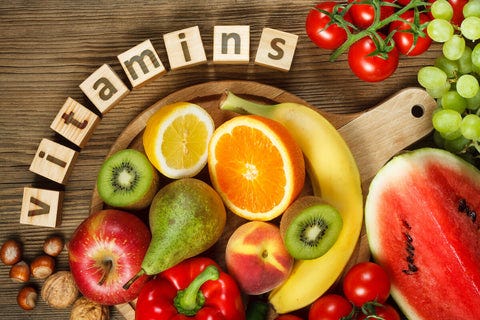
Healthy individuals on diverse diets can get all of their micronutrients without supplements. Most people do not need multivitamins. Supplements become useful in two specific situations: documented deficiencies and dietary gaps (your diet does not give you enough of a specific nutrient).
We´ll touch on a few micronutrients that require special attention:
Vitamin D is a vitamin but also a hormone. Our body produces it when skin is exposed to sunlight. Since we spend a lot of time indoors, many of us don´t make much vitamin D, especially in the northern hemisphere. So we´re left with dietary sources. Foods rich in vitamin D include fatty fish, fish oil and liver. Mushrooms exposed to UV light also have vitamin D although it´s a different form (D2) which is a bit less potent. I wouldn´t rely on D2 exclusively for my vitamin D needs. There are also foods fortified with vitamin D: cow milk often is, plant milks (depending on brand) and some breakfast cereals are some examples.
Supplementing with vitamin D is recommended for specific groups18: children up to 18yo (to lowers risk of rickets), the elderly over 75yo (to reduce the risk of fractures), people with specific conditions that impair absorption and those who don´t have a reliable source of vitamin D in their diet. For example, vegans or those who get no sunlight exposure.
1,000-2,000 IUs/day is plenty as the RDA is in the hundreds.
There´s significant hype online about megadosing Vitamin D. Taking 10,000 or 50,000 IUs a day. Extremely high doses are not based on solid scientific evidence and can cause problems in some individuals over time.
Vitamin K comes in 2 forms, K1 which is mainly present in green vegetables and olive oil, and K2 which is found in animal products and fermented foods like natto or cheese. Our body also produces some K2 from K1. K2 directs calcium to bones and away from arteries but trials haven´t found clear benefit of K2 supplementation for heart disease outcomes like heart attacks. For bone health, there´s some evidence supporting supplementation in specific populations, mainly postmenopausal women with osteoporosis. Supplementing K2 appears safe, as trials report no major risks, but is presently not supported in healthy individuals by compelling scientific evidence.
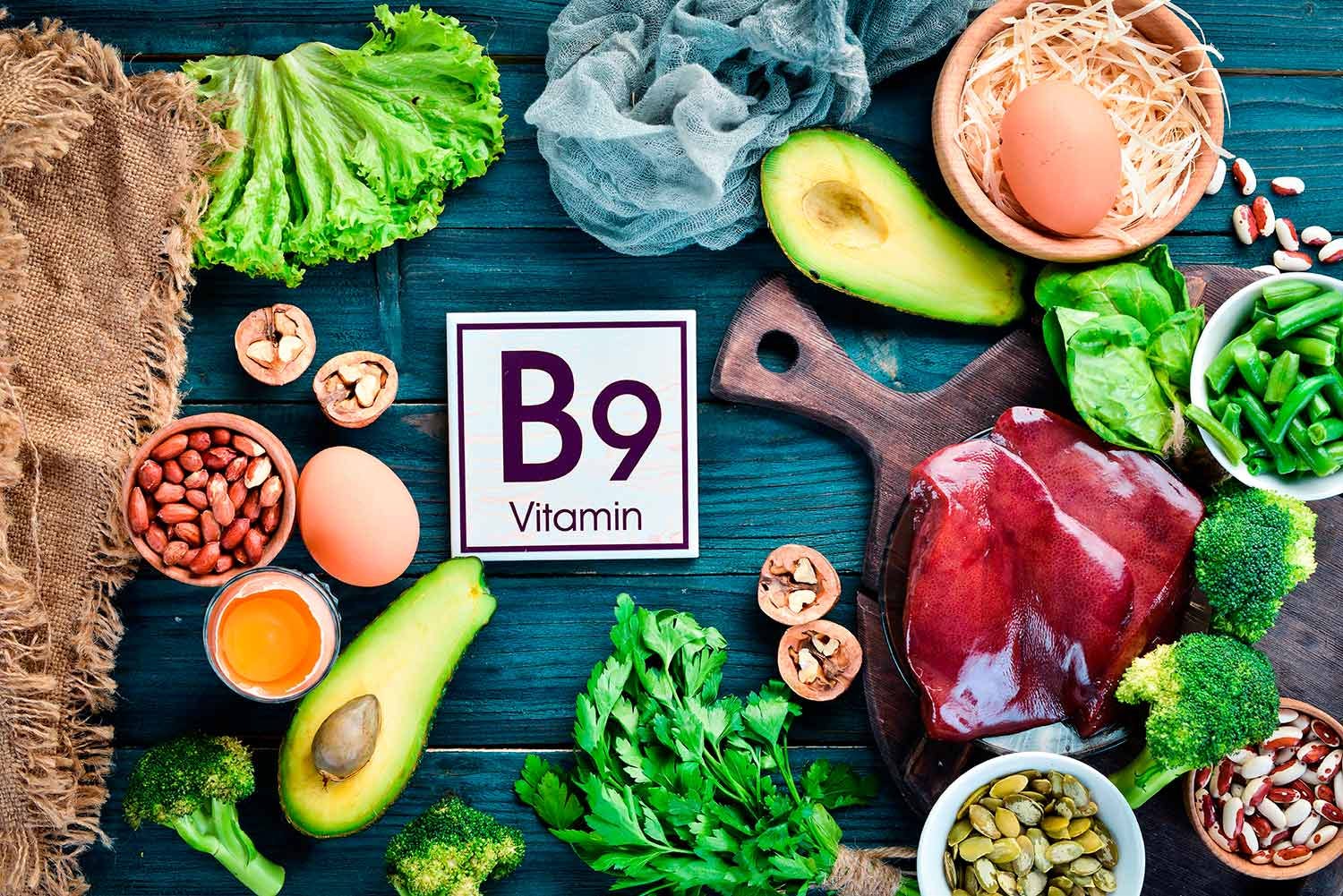
Folate (Vitamin B9) is abundant in leafy greens. It´s crucial during pregnancy to avoid neural tube malformations. B9 fortification is mandated in the US for flour and white rice but not in Europe. B9 is not an issue if you eat a healthy diverse diet. For individulals on typical Western diets, low in fiber and unprocessed foods, it´s worth considering a B9 supplement especially in women during fertile age who might get pregnant.
B12 is found in animal foods like meat, eggs or fish. Some foods are fortified with it (some plant milks, cereals, yeast). Vegans must get it from fortified foods or a supplement. Vegetarians may also benefit from an artificial B12 source since eggs and milk aren´t very good sources. Those over 50yo often suffer from stomach issues including loss of acidity that inhibit absorption of B12 from food, and can benefit from a supplement.
2,000 mcg once a week has been shown to be enough in randomized trials.
Iron can be an issue in women because of menstrual blood loss, and is also of increased importance during pregnancy. Rich sources include meat and fish. Plants contain nonheme iron, the absorption of which is more variable and is increased by vitamin C and inhibited by coffee and tea, so avoiding those close to meals is a good strategy.
Magnesium is present in many foods, like whole grains, beans, nuts or vegetables. It´s often underconsumed in the West due to low quality diets. Lack of magnesium can cause high blood pressure and insulin resistance. Eating a diverse healthy diet with unprocessed plant foods is the best strategy to get sufficient magnesium.
Iodine is present in fish & seafood, dairy and mos table salts. Deficiency is becoming more common in the west because fish is underconsumed, dairy intake is on a decline and many are shifting to trendy salt like himalayan that isn´t iodized. If you don´t get enough iodine in food, supplementing is one option. The RDA is 150 micrograms/day. Iodine is especially important in pregnancy.
Potassium is present in fruits, vegetables and legumes like beans. It is often underconsumed in the west, contributing to hypertension.
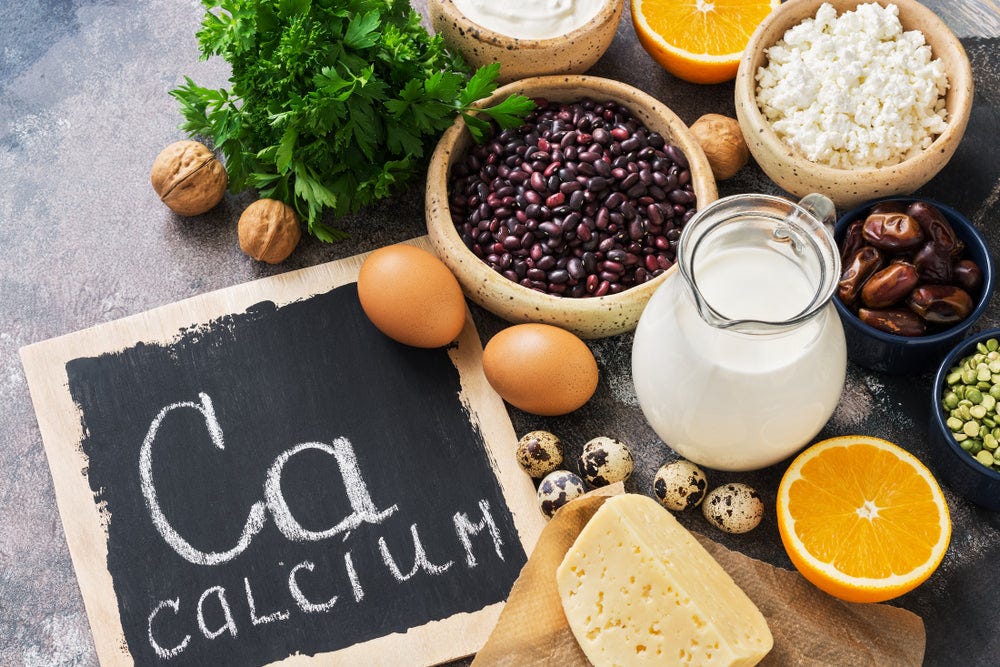
Calcium is important for your bone metabolism especially in children, women after menopause and the elderly. Dairy is the most common source, and plant milks are often fortified with calcium. Green vegetables contain calcium but oxalate blocks absorption so low oxalate greens are better sources than higher oxalate vegetables. For example, the absorption of calcium from spinach is limited, whereas collard greens, broccoli and kale are much better sources.
In addition to these, there are thousands of phytonutrients like lycopene, polyphenols, glucosinolates or flanovonoids, with antioxidant, anti-inflammatory, anti-cancer and many other roles. A healthy diverse diet provides an abundance of these, and therefore Westerners often underconsume them.
After covering all these nutrients and foods, bear in mind nutrition hinges on overall dietary pattern more so than individual foods or nutrients in isolation.
Diet Patterns
The most documented dietary pattern is the traditional Mediterranean diet, composed of unprocessed fruits and vegetables, whole grains, olive oil, fish and seafood, dairy and lean meats. Some of the largest trials in nutrition used this diet and reported lower risk of heart disease, diabetes and overall death and even mental health improvements19.
A couple other diets you will hear about are worth touching on:
DASH. Great if you have high blood pressure. Very similar to the Mediterranean diet. Focused on increasing potassium and fiber and moderating sodium intake20.
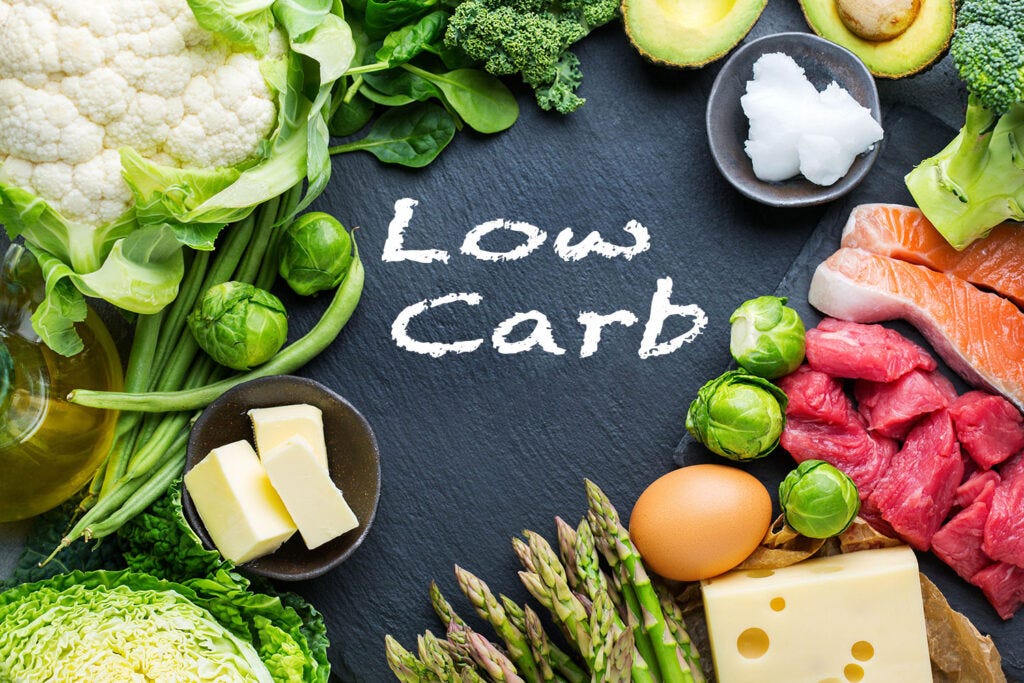
Low carb. Can be helpful for people with epilepsy or type 2 diabetes, and can help lower triglycerides. Low carb can be an effective weight loss strategy, particularly over 6 months to a year, whereas over the long term its success is similar to other approaches like low fat. The short term advantage may be partly explained by loss of lean weight (glycogen and water). Individually, some find low carb easy and sustainable, but most people struggle to sustain it long term, especially more extreme forms like ketogenic diets. The main caveat with low carb is fat quality, since carbs are typically replaced with fats. Many versions popularized on social media aren´t the healthiest, which has given low carb a bad rep, but you can design a low carb diet to be health-promoting by favoring healthy fats like olive oil, nuts and seeds and fatty fish like salmon or sardines.
Low fat. Similar to low carb, its prone to substantial subjectivity, with some finding it easy and sustainable, whereas most people struggle to sustain it long term. It gets rid of unhealthy fats but also eliminates healthy ones which isn´t required for health. The main caveat is avoiding refined carbs. Favor good sources (fruit, vegetables, whole grains etc).
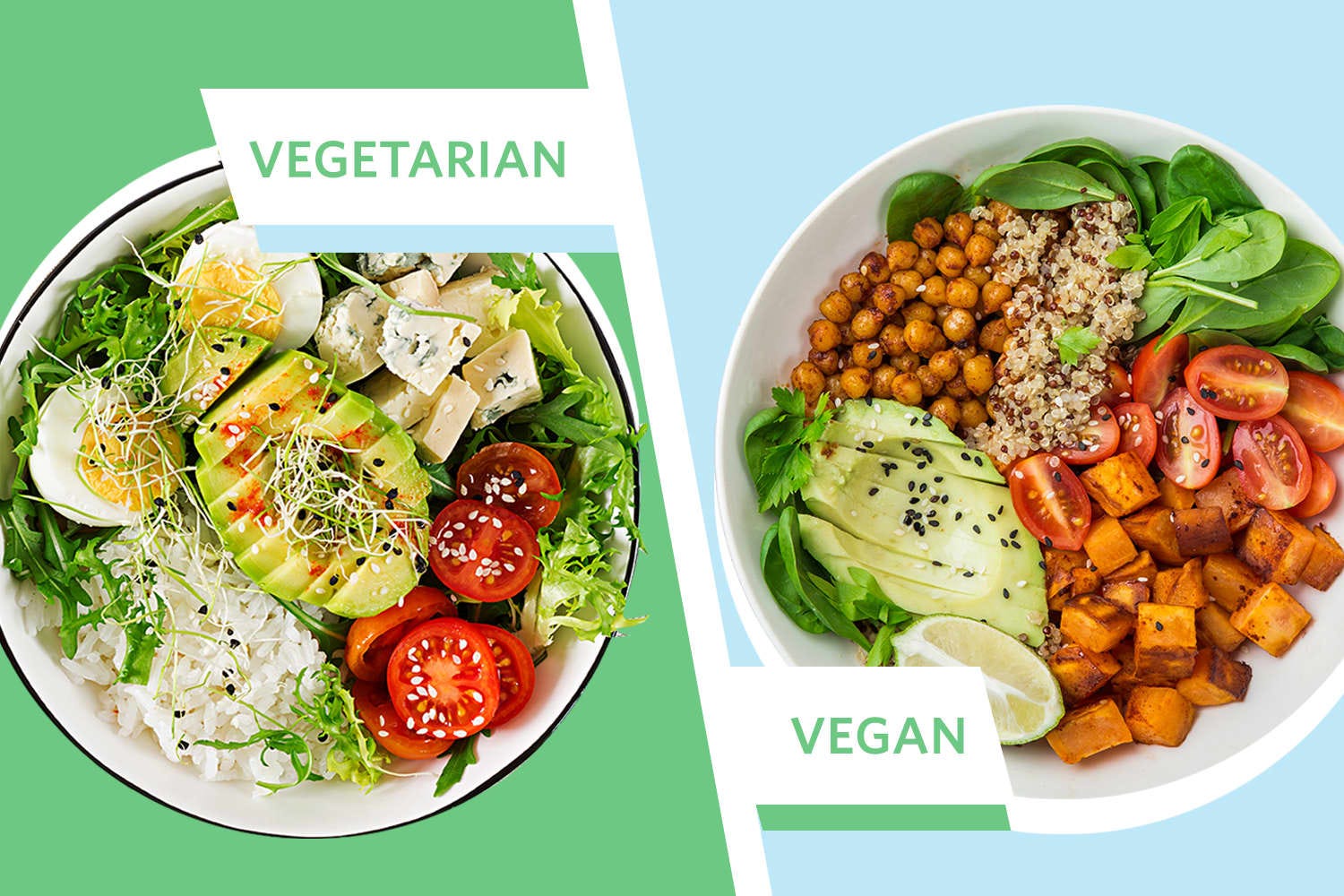
Vegan/vegetarian. Diets that avoid some or all animal foods. Main caveats include avoiding refined carbs and ultraprocessed vegan “junk” foods and ensuring a source of B12 (fortified foods or a supplement). Also warranted is attention to intake of Vitamin D and long chain omega-3s (DHA/EPA). Plant omega-3s like the alpha-linolenic acid in walnuts can be elongated but this process isn´t efficient. DHA/EPA are present in fish, seafood and algae. Algae and algae oil are the best vegan/vegetarian options. DHA/EPA from algae oil are absorbed just as well as those from fish oil and algae may carry less pollutants given the algae growth conditions. One caveat is that some brands of algae oil contain mostly DHA and little to no EPA, but there are other brands with a good balance of both.
A good range to shoot for is under 1g/day since above that there is a risk of inducing arrhythmia. There is evidence suggesting benefits for both cognitive function and heart health of long chain omega-3 supplementation in people not consuming fish.
Zinc is not generally a problem if you eat a diverse vegan diet with foods like tofu, beans and lentils, whole grains, nuts and seeds. These foods contain zinc and the preparation and cooking takes care of phytates, which could otherwise impair absorption.
For vegans, low oxalate greens and fortified plant milk are some options of calcium sources.
The guiding principles are the same regardless of the diet label. We can boil them down to 5 take-home rules that summarize the whole article.
1-Prioritize unprocessed or lightly processed foods (limit sugary soda, processed meats, candy, cookies, cakes, etc; these are occasional treats not dietary staples)
2-Healthy fats and carbs
3-Fiber-rich
4-Diversity
5-Cover any nutrient gaps
Other FAQs
Here are a few common questions that are left.
Salt. We don´t need to add salt to food. Sodium is an essential nutrient but we need small amounts and it´s present in plants and animal foods. Endurance athletes who lose more sodium through their sweat may benefit by adding more in their drinks or food. Otherwise, most Westerners overconsume sodium (mostly in ultraprocessed foods) and would benefit by cutting back.
Bear in mind this varies person to person as some are more salt sensitive than others.
Organic vs conventionally raised. Current studies have not found a consistent health benefit of organically raised foods. The main thing is to eat a healthy diet (fruits, vegetables, whole grains etc) because we consistently see the health benefits of that, even with regular, conventionally raised produce. Choosing organic or not is a personal preference.
Glyphosate. The link to cancer is not compelling even in workers exposed to high doses, although I´d like to see more studies on glyphosate and long term health outcomes. Similar to the question about organic, the main thing is to eat healthy foods (fruits, vegetables, whole grains etc). Eating a worse quality diet (for which there is compelling evidence of harm) for fear of glyphosate (for which there isn´t) is a step backwards.
Gluten. A real concern for people suffering from specific conditions like celiac disease and other gluten intolerances, totaling ~1% of people. For healthy individuals gluten is not an issue. Stories about gluten causing inflammation or harming your brain even if you dont´t have one of those specific diseases are not based on strong science.
Oxalates. A subset of humans form kidney stones, and a subset of those form oxalate stones. For those people there are specific strategies, like moderating the amount of specific foods very high in oxalates or having them together with some dairy. We have a whole video on that. For everyone else oxalates aren´t an issue.
Red meat. The biggest concern is the link to heart disease and specific cancer types (colorectal)21. The risk is higher for processed red meat like bacon or hot dogs. For unprocessed red meat like beef or pork we see similar a direction of effect but significantly weaker effect size, so our confidence is lower. Studies show best health outcomes when red meat is swapped for fish or plant protein like legumes, and white meats generally show better health data than red meat. Eating unprocessed red meat once or twice a week likely adds low or no risk, with lean cuts being preferrable.
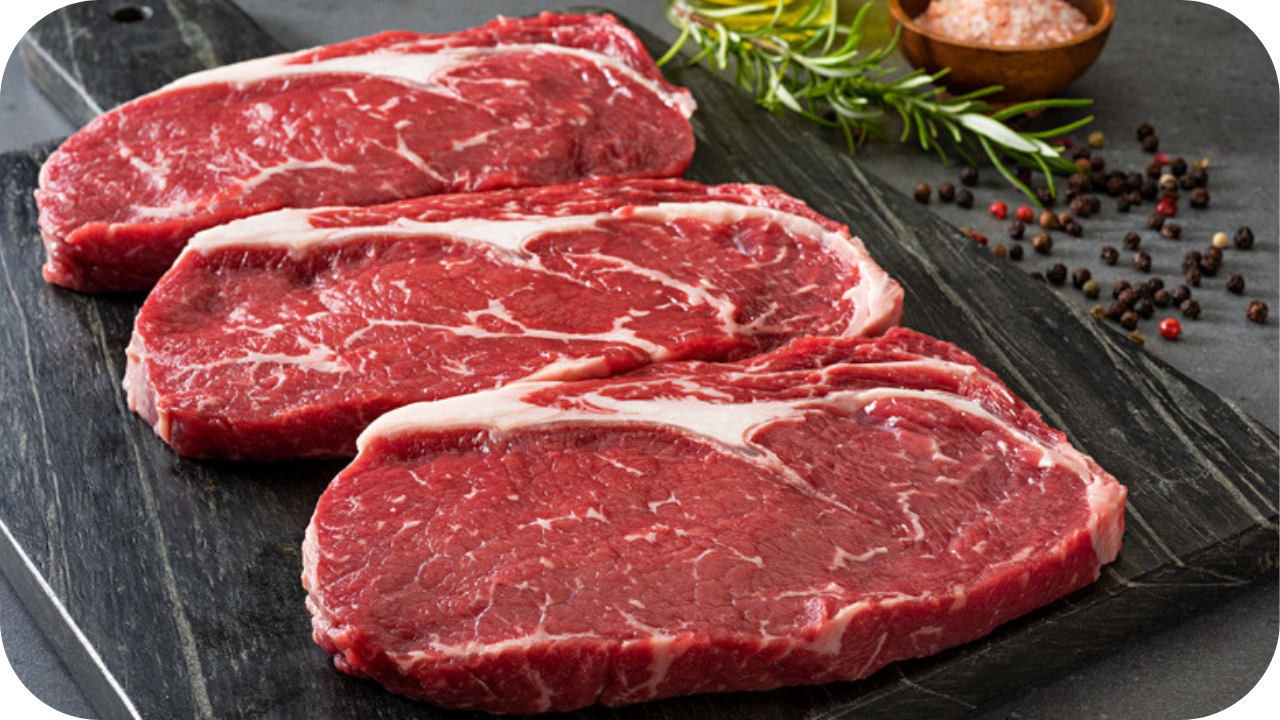
Grass-fed. We have no data on risk of heart disease or cancer with these specialty meats so all pronouncements are purely speculative. It´s unclear whether they are significantly healthier than regular, grain-fed meats.
Do eggs raise your cholesterol? In most people eggs raise blood cholesterol level by a modest amount, about 5-10mg/dL LDL-cholesterol in average. They´re not the main driver of cholesterol level though, the type of fats you eat is. If your blood work looks great, including some eggs in your diet is not a major issue. Some people experience a huge cholesterol raise when they eat eggs (they´re called cholesterol hyperabsorbers). If that´s you, you´re better off eating something else.
Artificial Sweeteners. Good options for weight loss when replacing regular sugar (e.g. swapping regular soda with diet)22. Effects on the microbiome are incompletely understood. A recent study suggests they may be beneficial but it´s work in progress. If artificial sweeteners help you cut back on sugar, they´re absolutely preferrable. Natural sweeteners that are calorie-free and have few to no documented concerns include stevia and monk fruit. Allulose is low-calorie and another viable option.
Fructose. It´s a problem when purified and concentrated in high amount like for example in soda. Eating whole fruit is not a problem, but rather beneficial.
Intermittent Fasting. Valid strategy to moderate caloric intake, lose weight and improve blood work. Can be very powerful for some people, with its simplicity being a big perk. For those who don´t enjoy fasting, other approaches are equally valid. When we match for calories and meals eaten, benefits are identical whether fasting is included or not23.
Autophagy is activated both by fasting and by calorie reduction. Moreover, inducing autophagy isn´t necessarily beneficial. It´s always better to base lifestyle choices on actual demonstrated health effects than mechanistic theories.
Thanks for reading! Now check out our companion Youtube video with 5 key principles boiling down 30 years of nutrition:
https://www.ahajournals.org/doi/full/10.1161/CIRCULATIONAHA.115.018585
https://www.nationalacademies.org/projects/HMD-FNB-18-P-119
https://bjsm.bmj.com/content/52/6/376
https://www.sciencedirect.com/science/article/pii/S1525861013003265
https://academic.oup.com/nutritionreviews/article/77/4/197/5307079
https://pubmed.ncbi.nlm.nih.gov/38626029/
https://www.thelancet.com/journals/lancet/article/PIIS0140-6736(18)31809-9/fulltext
https://jamanetwork.com/journals/jama/fullarticle/2673150
https://www.thelancet.com/journals/lancet/article/PIIS0140-6736(17)33102-1/fulltext
https://pubmed.ncbi.nlm.nih.gov/26429077/
https://journals.plos.org/plosmedicine/article?id=10.1371/journal.pmed.1002087
https://jamanetwork.com/journals/jamainternalmedicine/fullarticle/2831265
https://www.cochranelibrary.com/cdsr/doi/10.1002/14651858.CD011737.pub3/full
https://academic.oup.com/eurheartj/article/38/32/2459/3745109
https://www.ahajournals.org/doi/full/10.1161/CIR.0000000000000510
https://pubmed.ncbi.nlm.nih.gov/22889633/
https://www.thelancet.com/journals/lancet/article/PIIS0140-6736(22)00847-9/fulltext
https://academic.oup.com/jcem/article/109/8/1907/7685305
https://www.nejm.org/doi/full/10.1056/NEJMoa1800389
https://www.nejm.org/doi/full/10.1056/NEJM200101043440101
https://www.iarc.who.int/wp-content/uploads/2018/07/pr240_E.pdf
https://www.nature.com/articles/ijo2017177
https://www.nejm.org/doi/full/10.1056/NEJMoa2114833
Hey there Dr Gill, got here from your new YouTube video
I know this isn’t your specialty, but I’m wondering if you could help those of us who have had bariatric surgery. The majority of nutrition information is geared toward the first few months post surgery. As the decades go by, the relevant information becomes a lot more vague. Can you steer us toward a trustworthy source for real help—not just another company selling us junk?